Sustainability continues to dominate the design landscape. Luxury interior designers prioritize eco-friendly materials such as reclaimed wood, recycled metals, and low-VOC paints. These materials reduce environmentally impact, but also add unique textures and warmth to spaces. Incorporating greenery, vertical gardens, and biophilic design elements is also on the rise, creating healthier, more vibrant interiors that connect occupants with nature.
Technology is no longer optional in luxury interiors. In 2025, smart home systems will become fully integrated into high-end designs. Luxury interior designers are focusing on automating lighting, climate control, security, and entertainment systems, all while keeping their aesthetics intact. Voice-controlled devices, app-managed utilities, and energy-efficient technologies ensure convenience without compromising elegance.
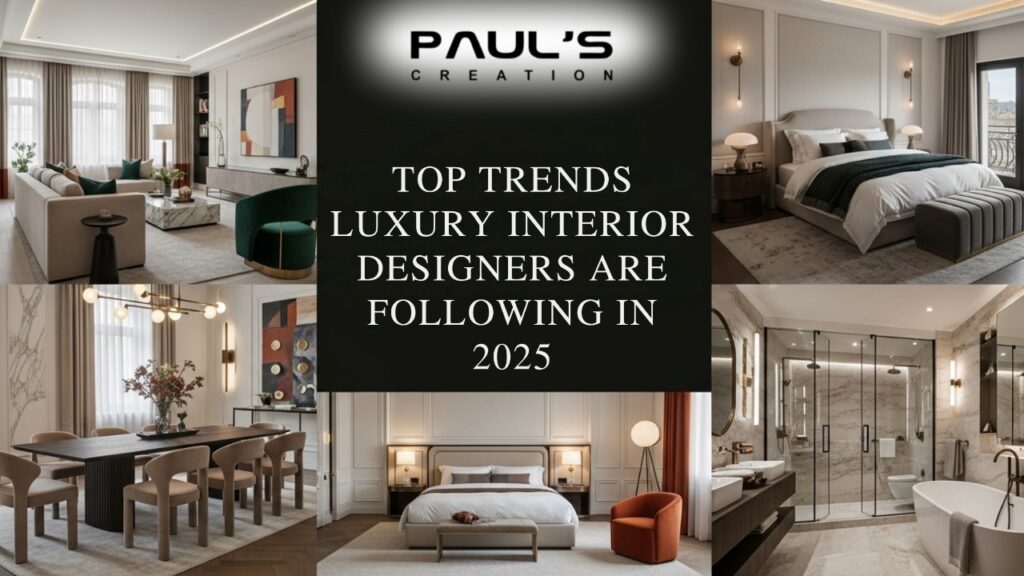
Minimalis interiors are reimagined with bold accents. Luxury interior designers combine clean lines, neutral palettes, and clutter-free spaces with statement furniture pieces, eye-catching art, and dramatic lighting fixtures. This approach creates a balance between simplicity and personality, allowing key elements to stand out and add character to the home.
Personalization is at the forefront of luxury interiors. Incorporating curated art collections, bespoke furniture, and custom-made décor ensures that each space reflects the homeowner’s taste and lifestyle. Luxury interior designers collaborate with artisans and craftsmen to create one-of-a-kind pieces that elevate interiors while supporting creative industries.
Demand for versatile interiors has grown, especially in urban environments. Luxury interior designers create rooms that serve multiple purposes without compromising on style. For instance, home offices double as guest rooms, while living areas transform into entertainment zones. Innovative storage solutions, movable partitions, and modular furniture maximize functionality while maintaining a luxurious feel.
Texture takes center stage in 2025. Designers combine diverse materials velvet, leather, marble, metals, and natural fibers to create depth and visual interest. Luxury interior designers experiment with layered textures on walls, furniture, and décor to add richness and tactile appeal. This trend ensures interiors feel sophisticated and inviting.
Health and well-being are now integral to luxury design. Interior designers create spaces that promote relaxation, mindfulness, and comfort. Features such as spa-inspired bathrooms, meditation corners, soundproof rooms, and optimized natural light are becoming staples in high-end homes. Wellness-focused design elements reflect the evolving priorities of luxury homeowners.
Color palettes in luxury interiors move beyond neutral tones. Rich jewel tones like emerald green, sapphire blue, and ruby red are paired with soft pastels and metallic accents. Luxury interior designers use these colors to create statement walls, accent furniture, and décor elements that add vibrancy and sophistication to living spaces.
Luxury interiors extend beyond home walls. Designers transform patios, terraces, and gardens into stylish outdoor living areas. Features such as outdoor kitchens, lounge areas, fire pits, and water features create seamless transitions between indoor and outside spaces. This trend emphasizes comfort, leisure, and entertainment while connecting residents to nature.
Finally, 2025 trends highlight the balance between classic elegance and contemporary design. Luxury interior designers blend traditional elements such as ornate moldings, chandeliers, and classic furniture with modern minimalist approaches. This combination ensures interiors remain timeless yet fresh, catering to homeowners who value both heritage and innovation.