
Introduction:
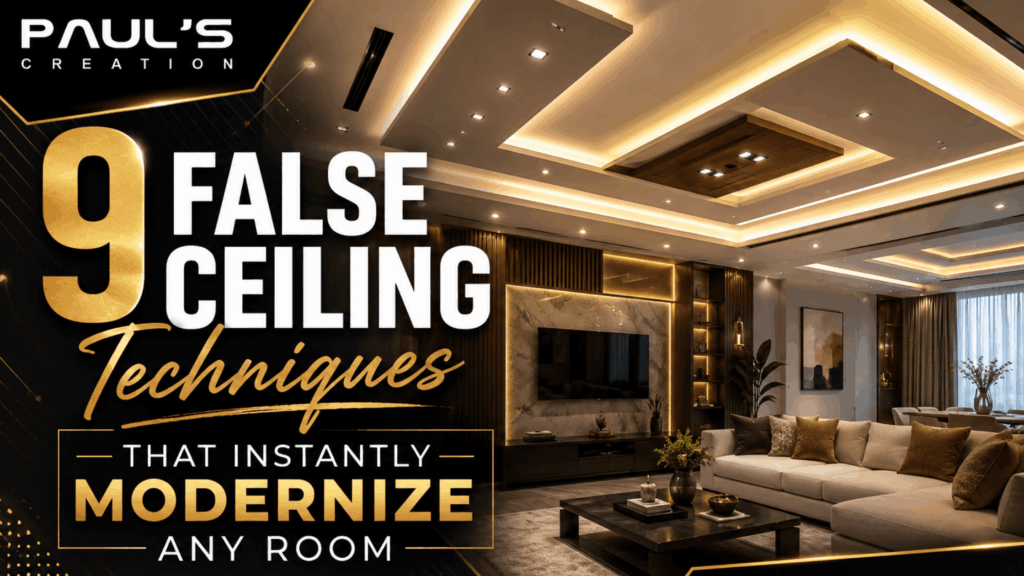
Modern interiors are no longer limited to stylish furniture and wall colors. Ceiling design has become one of the biggest elements in home decoration, especially for homeowners who want a fresh and contemporary appearance. A well-designed false ceiling can completely change the mood of a living room, bedroom, office, or dining area. Many homeowners now work with professional false ceiling contractors to create customized ceiling concepts that suit their interior theme and lighting requirements.
False ceilings are available in different materials, shapes, and layouts. They also help with lighting arrangements, wire management, and room aesthetics. The right ceiling style can transform an ordinary room into a modern and visually appealing space. Below are some of the most popular false ceiling techniques that can instantly transform interior spaces.
- 1. Layered False Ceiling Design
Layered ceilings are one of the most common techniques used in modern homes. This style includes multiple levels or sections that create depth across the ceiling surface.
This design works particularly well in:
- Living rooms
- Dining spaces
- Hotel lounges
- Office reception areas
Layered ceilings are often paired with LED strip lights to create a soft lighting effect. Rectangular and square layers remain popular because they suit both compact and spacious interiors.
Why do homeowners prefer it?
- Create a luxurious visual effect
- Supports concealed lighting
- Suitable for modern apartments
- 2. Cove Lighting Technique
Cove lighting is widely used in contemporary ceiling designs. In this technique, lighting fixtures remain hidden inside ceiling recesses, allowing indirect light to spread smoothly across the room.
This approach creates a warm atmosphere without harsh brightness. Cove lighting works exceptionally well in bedrooms and TV lounge areas.
Popular lighting options
- Warm white LED strips
- Color-changing smart lighting
- Soft yellow ambient lighting
Many false ceiling contractors recommend cove lighting because it gives interiors a premium and modern appearance without excessive decoration.
- 3. Wooden Panel False Ceiling
Wooden ceiling panels bring a natural and stylish touch to interiors. Homeowners who want a mix of modern and earthy themes often choose this ceiling style.
Wood finishes include:
- Walnut tones
- Oak texture
- Teak-inspired patterns
- Matte wood laminates
Wooden false ceilings are commonly installed in:
- Luxury bedrooms
- Home office
- Restaurants
- Villas
Wood and recessed lighting create a balanced and visually rich interior environment.
- 4. Geometric Ceiling Patterns
Geometric ceiling designs have become highly popular in modern architecture. This technique uses shapes such as:
- Hexagons
- Squares
- Triangles
- Linear patterns
Geometric ceilings create a bold visual impact and work especially well in modern apartments and commercial spaces.
Benefits of geometric ceilings
- Gives rooms a designer appearance
- Create artistic ceiling layouts
- Matching minimalist interiors
Black borders, LED outlines, and contrasting colors are commonly added to highlight geometric patterns.
- 5. Floating Ceiling Concept
Floating ceilings appear suspended from the main ceiling structure. Hidden lighting around the edges creates a floating visual effect.
This style is commonly used in:
- Modern living rooms
- Luxury hotel interiors
- Premium office cabins
Floating ceilings pair well with minimalist furniture and neutral color palettes. The clean layout gives interiors a modern architectural appearance without excessive detailing.
- 6. Curving False Ceiling Technique
Curved ceiling designs move away from traditional straight-line patterns. Instead of flat surfaces, the ceiling includes curved edges or wave-like shapes.
This technique is ideal for:
- Entertainment rooms
- Contemporary cafes
- Creative office spaces
Curved ceilings can soften large rooms and create a more dynamic atmosphere. Designers often combine curved gypsum sections with spotlights for a futuristic look.
Common materials are used
- Gypsum boards
- POP structures
- Flexible ceiling panels
- 7. Minimalist Linear Ceiling Design
Minimalist ceiling concepts focus on simplicity and clean lines. Linear ceiling patterns use narrow grooves, strips, or long recessed sections to create a sleek appearance.
This style is perfect for:
- Urban apartments
- Studio homes
- Modern office space
The design avoids heavy decorative patterns and focuses on neat structural balance. Linear LED lights are usually installed alongside these ceiling sections for a contemporary finish.
Many homeowners choose this technique because it suits smaller rooms without bulky ceilings.
- 8. Metal Finish False Ceiling
Metal ceiling finishes are becoming popular in industrial and luxury interior styles. Aluminium panels, metallic laminates, and steel-inspired textures give rooms a bold and modern look.
Metal false ceilings are commonly seen in:
- Commercial interiors
- Corporate offices
- Retail stores
- Modern kitchens
Advantages of metal ceilings
- Long-lasting surface quality
- Contemporary visual appeal
- Easy maintenance
Silver, black, bronze, and matte grey finishes are frequently used for modern interior themes.
- 9. Mixed Material Ceiling Technique
One of the latest trends involves combining multiple materials into a single ceiling design. This can include:
- Wood and Gypsum
- Metal and glass
- POP and LED panels
- PVC and wooden textures
Mixed-material ceilings create a unique appearance and allow homeowners to experiment with different textures and finishes.
Professional false ceiling contractors often suggest mixed-material layouts for large living rooms where homeowners want a customized and premium design theme.
Why does this technique stand out?
- Creates a personalized interior style
- Adds visual variety
- Supports modern lighting arrangements
- Additional Tips Before Installing a False Ceiling
Before choosing a ceiling style, homeowners should consider several important factors.
Room Height
Low-ceilinged rooms should avoid overly layered designs, as they may shrink the space.
Lighting Requirements
Plan lighting positions before installation to avoid unnecessary modifications later.
Material Selection
Choose materials based on room usage:
- Gypsum for modern interiors
- PVC for moisture-prone areas
- Wood for luxury aesthetics
Budget Planning
Ceiling costs vary depending on:
- Material quality
- Lighting integration
- Design complexity
- Room size
Working with experienced contractors can help homeowners avoid installation issues and material waste.
Conclusion:
Modern interior design has become increasingly dependent on false ceilings. From floating layouts and geometric patterns to wooden textures and cove lighting, different ceiling techniques can dramatically change any room’s appearance. Homeowners today focus on ceiling aesthetics as much as flooring, furniture, and wall decor.
Choosing skilled false ceiling contractors is equally important, as professional installation affects both durability and overall appearance. Any interior can be transformed into a fresh, stylish, and contemporary space with the right combination of lighting, materials, and design style.